
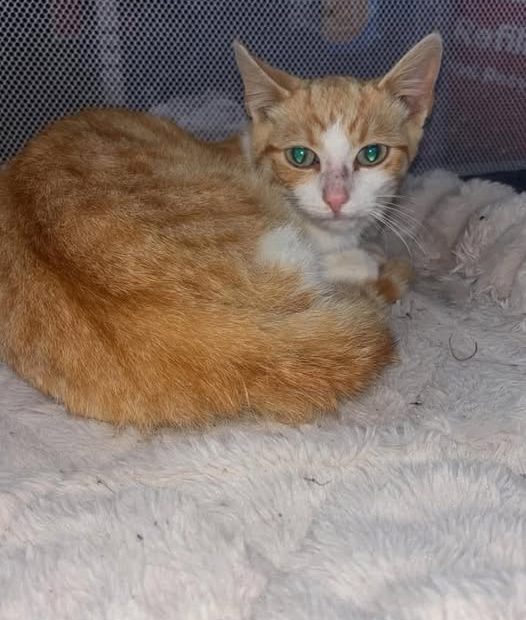
When placing a barn, farm, or working cat, the goal is to ensure the cat has a safe environment where it can thrive while helping to control rodents. Here are some recommended adoption criteria:
Barn Cat Adoption Criteria
Suitable Location
- A safe farm, smallholding, stable yard, or rural property.
- Secure outbuildings, barns, sheds, or stables for shelter.
- Away from busy roads where possible.
Shelter
- Access to a dry, weatherproof shelter at all times.
- Warm bedding (such as straw or blankets) provided.
- Protection from extreme weather.
Food & Water
- Fresh water available every day.
- Daily food provided, even if the cat hunts successfully.
- Cats should never be expected to survive on hunting alone.
Acclimatisation
- The cat must be confined in a secure shed, stable, or barn for 3–4 weeks after arrival.
- During this period, food, water, and a litter tray should be provided.
- This allows the cat to bond with the new location and reduces the risk of wandering.
Veterinary Care
- The adopter agrees to seek veterinary treatment if the cat becomes ill or injured.
- Cats will already be:
- Neutered/spayed
- Vaccinated (where applicable)
- Microchipped
- Flea and worm treated
Long-Term Commitment
- The adopter understands the cat is a permanent responsibility.
- If they can no longer care for the cat, they agree to contact the rescue rather than rehome the cat themselves.
Suitable Expectations
- Barn cats are generally not suitable as pets.
- They may remain wary of people and should not be expected to become tame.
- Some may become friendlier over time, but this should not be expected.
Other Animals
- Dogs on the property should not pose a threat to cats.
- Introductions to other resident animals should be managed carefully.
Permission
- If renting or leasing the property, the adopter must have the landowner’s permission to keep cats.
Adoption Agreement
The adopter agrees to:
- Provide food, water, and shelter every day.
- Confine the cat for the recommended settling-in period.
- Never abandon the cat.
- Contact the rescue if they can no longer care for the cat.
- Allow reasonable follow-up contact from the rescue to ensure the cat has settled well.
These criteria help ensure that working cats have a safe, permanent home while continuing to live in an environment that suits their nature.