
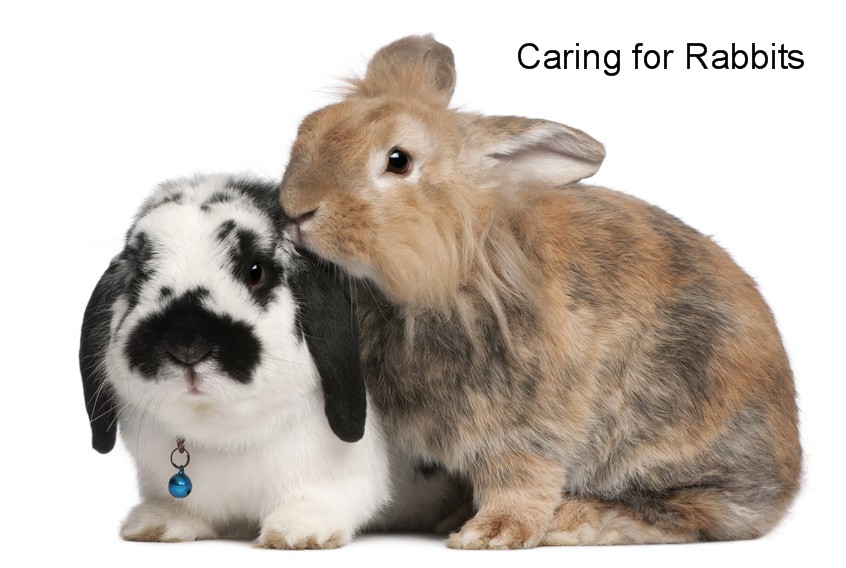
A happy, healthy rabbit needs more than a hutch!
Rabbits are intelligent, gentle and sociable animals. They have specific needs and deserve the same care, attention and commitment as any other family pet.
1. Companionship
- Rabbits are naturally social animals and generally benefit from living with a compatible rabbit companion.
- Neutering helps prevent unwanted litters and can reduce hormone-related behaviours.
- Introduce rabbits carefully and gradually. Never simply place unfamiliar rabbits together.
- Rabbits should not be kept with guinea pigs as companions.
2. Housing and accommodation
- Rabbits need plenty of space to run, hop, stretch, stand upright and explore.
- A small hutch on its own is not sufficient.
- Provide a secure, spacious enclosure with a sheltered sleeping area and a safe exercise area.
- Make sure there is protection from rain, wind, extreme cold, direct sunlight and predators.
- Provide hiding places, tunnels, platforms and safe toys.
- Indoor rabbits need a rabbit-proofed area, with electrical cables and dangerous household items safely out of reach.
3. Feeding your rabbit
A healthy diet is essential for your rabbit’s teeth and digestive system.
The main foods should be:
- Unlimited good-quality hay or fresh grass: This should make up most of the diet and be available at all times.
- Fresh drinking water: Always provide clean water, preferably in a sturdy bowl, and check it regularly.
- Fresh leafy greens: Introduce suitable vegetables gradually and offer a variety.
- Rabbit pellets: Feed a small, measured amount of good-quality, high-fibre pellets.
Avoid sugary treats, excessive fruit, bread, biscuits and unsuitable human foods. Avoid muesli-style rabbit mixes, which can encourage selective feeding.
Never make sudden changes to your rabbit’s diet.
4. Exercise and enrichment
Rabbits need daily opportunities to exercise and express natural behaviours.
- Allow plenty of space to run, jump and explore.
- Provide tunnels, cardboard boxes and safe chew toys.
- Encourage natural foraging by hiding small amounts of food.
- Spend quiet time with your rabbit and allow them to approach you.
- Never leave a rabbit unattended in an unsafe outdoor area.
5. Grooming and daily care
- Brush your rabbit regularly, particularly during moulting.
- Long-haired rabbits may need more frequent grooming.
- Check nails and arrange trimming when necessary.
- Check their eyes, ears, teeth, bottom and feet regularly.
- Keep living areas clean, dry and comfortable.
- Monitor their appetite, drinking, droppings and behaviour every day.
6. Veterinary care
Rabbits need routine veterinary attention, ideally from a vet experienced in rabbit medicine.
Discuss:
- Vaccination against myxomatosis and rabbit viral haemorrhagic disease (RHD).
- Neutering and appropriate timing.
- Dental checks.
- Parasite prevention.
- Regular health checks and any changes in behaviour or appetite.
7. Warning signs – when to contact your vet
Rabbits can become seriously ill very quickly. Contact a vet immediately if your rabbit:
- Stops eating or eats significantly less.
- Produces fewer droppings or stops passing droppings.
- Becomes unusually quiet, withdrawn or lethargic.
- Has diarrhoea or a swollen abdomen.
- Has difficulty breathing or moving.
- Shows signs of pain, such as sitting hunched up or grinding their teeth.
IMPORTANT: A rabbit that stops eating or stops passing droppings needs urgent veterinary attention. Do not wait until the following day.
8. Handling your rabbit gently
Rabbits are prey animals and can become frightened when lifted.
- Sit on the floor and allow your rabbit to approach you.
- Avoid chasing or grabbing your rabbit.
- If lifting is necessary, support the chest and hindquarters securely.
- Never lift a rabbit by its ears or scruff.
- Always supervise children and teach them to handle rabbits gently and respectfully.
A lifelong commitment
Rabbits can live for 8–12 years or sometimes longer. Before taking on a rabbit, make sure you can provide the space, companionship, daily care and veterinary treatment they need throughout their lives.
At Roscommon SPCA, we believe every animal deserves a safe, happy and loving forever home.
Please remember: responsible rabbit ownership means meeting all of your rabbit’s needs, every single day.
For further advice, speak to your veterinary practitioner. This guide is intended as general information and is not a substitute for veterinary advice.